|
|
|
|
species
Find out more
The Biodiversity Action Plan is made up of a series of documents produced from 2000 to 2005. Species Action Plans have been produced to provide a framework for action to conserve and enhance the Island’s biodiversity. These plans link with national Habitat Action Plans.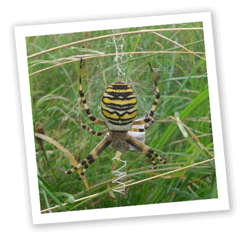
Wasp spider
Many rare and endangered species which have been identified at the UK national level occur on the Island. The Island has 119 of those which are regarded as national priorities; they include the dormouse, song thrush, red squirrel, water vole, early gentian, skylark and starlet sea anemone.
Image wasp spider
In addition, another 477 species, which are locally distinctive, have been identified by local experts and enthusiasts. They include a diverse range of species such as mantis shrimps, wasp spiders, wall lizards and pink wax-cap fungi. An estimated 72 species are considered to have become extinct locally within the last fifty years and very many more are in decline. These losses are largely due to habitat change or loss.
These pages highlight species and groups which are of particular interest, but don't forget that there are many others not mentioned here which are just as interesting!
| home | partnership | habitats | species | biodiversity opportunity areas | benefits of biodiversity |
biodiversity & you | advice | walks & events | library | contact |